
Indoor humidity can make a Maryland home feel uncomfortable even when the thermostat says the temperature should be perfect. You might have the air conditioning set exactly where you normally like it, yet the house still feels warm, heavy, or slightly sticky. During colder weather, the opposite can happen. The temperature looks right, but the air feels unusually dry and certain rooms never seem quite as comfortable as they should.
This is because a thermostat only tells part of the story. Temperature has a major influence on comfort, but moisture in the air matters too. Your HVAC system, insulation, ventilation, air leakage, and the way your home handles outside air all influence indoor humidity.
For Maryland homeowners, this becomes especially noticeable as outdoor conditions change throughout the year. Warm humid summers can introduce large amounts of moisture into a house, while winter heating can create a completely different indoor environment. When the home is not working as a complete system, adjusting the thermostat may provide only temporary relief.
Understanding what is causing the problem is the first step toward making the home more comfortable without simply using more energy.
Indoor Humidity Changes the Way Your Home Feels
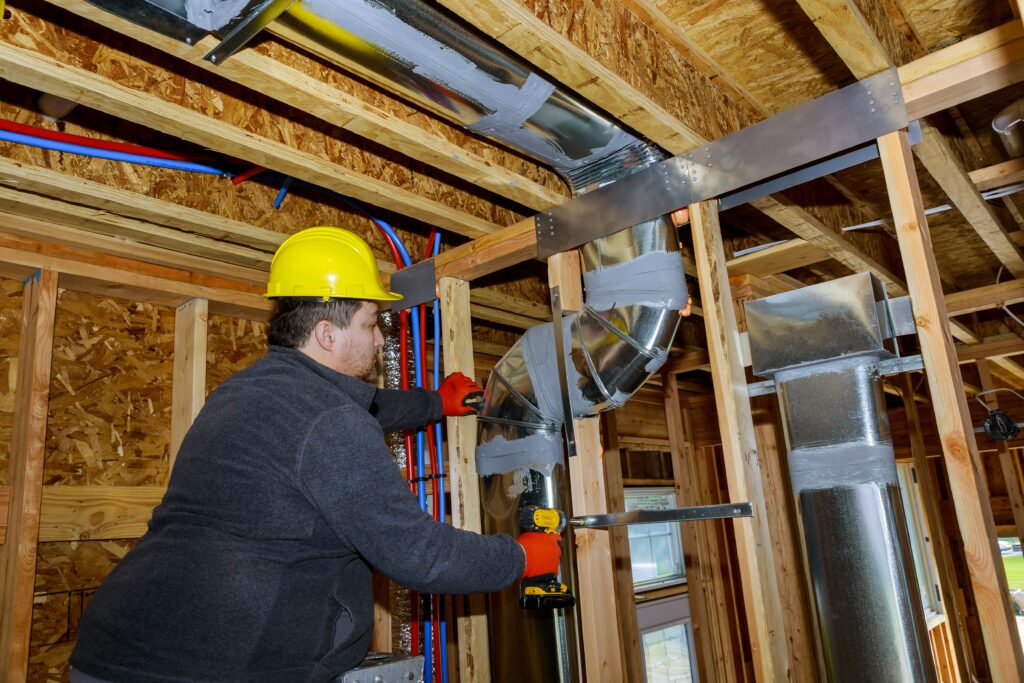
Two homes can have identical thermostat settings and feel surprisingly different.
When humidity is elevated during warm weather, perspiration does not evaporate from the skin as effectively. That can make the indoor environment feel warmer than the actual temperature suggests. A homeowner may respond by lowering the thermostat several degrees, which forces the cooling system to run longer and consumes additional electricity.
Very dry indoor air can create another type of discomfort during winter. The home may technically be warm enough, but occupants can still perceive the environment differently.
The Environmental Protection Agency guidance on indoor air quality recommends maintaining indoor relative humidity between 30 and 50 percent. Rather than treating that number as an isolated target, homeowners should consider what causes humidity to rise or fall in the first place.
In many homes, humidity problems provide a clue that something else in the building is not performing as intended.
Why Maryland Homes Can Struggle With Indoor Humidity
Maryland experiences substantial seasonal changes in temperature and moisture. During summer, warm outdoor air can carry considerable moisture. Every uncontrolled opening in the building gives that air another opportunity to enter.
Those openings are not limited to obvious gaps around doors and windows. Air can move through penetrations around plumbing and electrical lines, attic access points, recessed fixtures, framing connections, basement areas, crawl spaces, and numerous other locations that homeowners rarely see.
Once humid outside air enters the building, the HVAC system has more work to do.
An air conditioner does more than cool the air. During normal operation, it also removes moisture. If moisture continually enters through leaks in the building envelope, however, the cooling system is forced to address an ongoing problem rather than simply maintaining comfortable conditions.
This is one reason air sealing can have such an important relationship with comfort. Controlling unwanted air movement helps the home maintain the conditions created by the HVAC system instead of constantly exchanging conditioned indoor air with outdoor air.
Your HVAC System Does More Than Control Temperature
Homeowners often think about an HVAC system almost entirely in terms of temperature. If the house reaches the thermostat setting, the equipment appears to be doing its job.
Humidity complicates that assumption.
During cooling operation, warm indoor air passes across the cold evaporator coil. Moisture in that air can condense on the coil and drain away. The amount of moisture removed depends on several factors, including equipment operation, airflow, system sizing, runtime, and the amount of moisture entering the home.
A system that cools a house very quickly is not necessarily providing better comfort. If the equipment reaches the thermostat setting and shuts off before operating long enough to remove sufficient moisture, the house can become cool but still feel damp.
This is one reason replacing equipment based only on size or age does not always solve comfort complaints.
The house itself needs to be considered.
Before assuming an HVAC system is the sole source of a comfort problem, a professional home energy assessment can help identify conditions elsewhere in the home that may be contributing to excessive energy use, temperature differences, or unwanted air movement.
Air Leakage Can Bring Humidity Into the Home
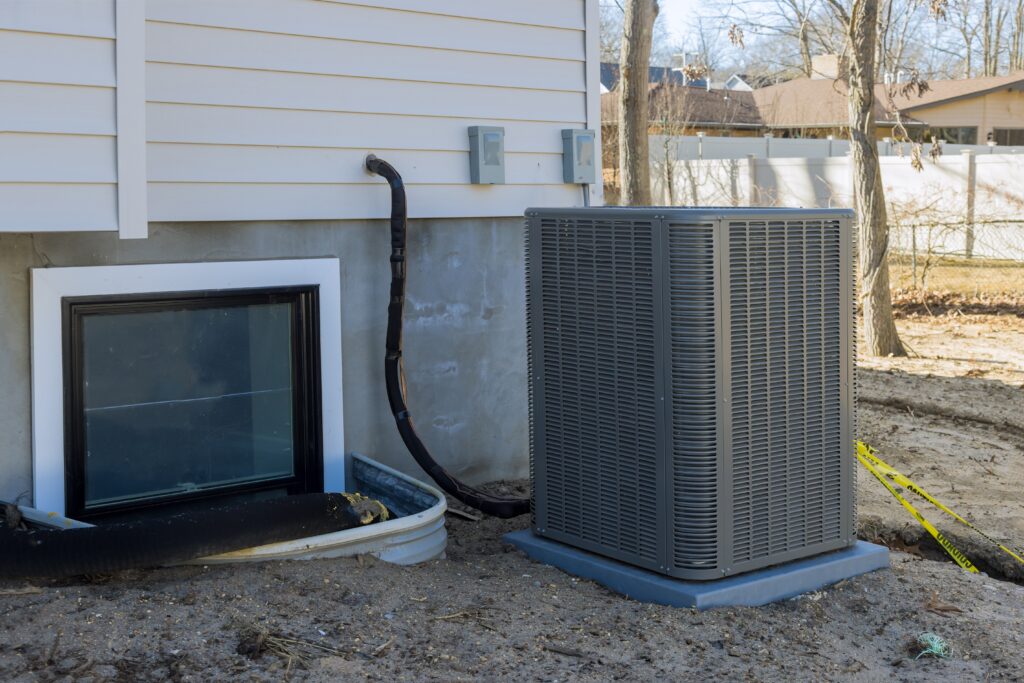
Think of your house as a pressure system rather than a sealed box.
Air is constantly responding to pressure differences created by wind, temperature, exhaust fans, HVAC operation, and natural air movement through the structure. When air leaves one part of the building, replacement air has to come from somewhere.
In a leaky house, that replacement air may be pulled through the attic, crawl space, basement, wall cavities, or gaps around the building envelope.
During a humid Maryland summer, that can mean pulling moisture-laden outdoor air into spaces you are actively trying to cool and dehumidify.
The problem can become frustrating because the homeowner sees the symptom rather than the cause. The thermostat gets lowered. The air conditioner runs more frequently. Utility costs increase. Yet the home still does not have the crisp, comfortable feeling the homeowner expected.
Addressing the pathways through which outside air enters can sometimes make a meaningful difference in how the entire house performs.
Insulation and Indoor Humidity Are Connected
Home insulation is normally discussed in terms of heat transfer, but its relationship with indoor comfort extends further.
Insulation helps slow heat movement between conditioned and unconditioned spaces. When insulation is inadequate, damaged, poorly installed, or missing in important areas, interior surfaces can become warmer or colder than expected.
Surface temperature matters because moisture behaves differently when humid air encounters a colder surface. Under the right conditions, condensation can develop.
This is why moisture on windows, pipes, ductwork, or other surfaces should not automatically be dismissed as normal. The EPA notes that condensation can be an indication of high humidity and recommends addressing both the moisture and its source.
Air sealing and insulation work particularly well when they are treated as complementary improvements. Insulation slows heat transfer, while air sealing helps control the movement of air through unwanted openings.
Doing one without understanding the other can leave part of the home’s performance problem unresolved.
Ventilation Should Be Controlled Rather Than Accidental

A comfortable, efficient house needs fresh air, but there is an important difference between ventilation and uncontrolled air leakage.
Ventilation is intentional.
Air leakage is not.
Opening a bathroom exhaust fan while showering, for example, removes moisture near its source. A properly vented kitchen exhaust system can do something similar while cooking. These are controlled methods of managing indoor moisture.
Random openings in an attic or wall cavity do not provide the same benefit.
This distinction becomes increasingly important as homes receive energy improvements. Once unwanted leakage is reduced, proper ventilation helps support appropriate indoor air exchange while allowing the building to remain energy efficient.
A home should not depend on cracks and gaps to breathe.
Everyday Activities Add More Moisture Than You May Realize
Not all indoor humidity originates outside.
Normal household activities continuously release moisture into indoor air. Cooking, showering, washing dishes, drying clothes, and even the number of people occupying the house can affect moisture levels.
A bathroom without effective exhaust ventilation may allow shower moisture to migrate into adjoining rooms. A clothes dryer that is not properly vented outdoors can introduce substantial moisture. Basement and crawl space conditions can also influence the rest of the house because air does not remain neatly confined to one floor.
This is why solving persistent humidity problems requires looking beyond a single appliance or room.
A homeowner may purchase a portable dehumidifier and see an improvement, but that does not necessarily explain why excessive moisture was present. The better question is where the moisture is coming from and why the house is having difficulty managing it.
High Indoor Humidity Can Affect More Than Comfort
Persistent moisture deserves attention even if the homeowner can tolerate the way the house feels.
The EPA guidance on moisture and mold explains that moisture control is central to controlling indoor mold growth. The agency recommends keeping indoor relative humidity below 60 percent and ideally between 30 and 50 percent when possible.
That does not mean every humid home has a mold problem. It means sustained moisture can create conditions that deserve investigation.
Condensation around windows, recurring damp smells, moisture on ductwork, or rooms that consistently feel clammy can all justify taking a closer look at how the house manages moisture.
Instead of covering up the symptom, homeowners should determine what is allowing those conditions to develop.
An Energy Audit Can Reveal Problems a Thermostat Cannot
One of the most useful things about a professional energy evaluation is that it looks beyond the HVAC thermostat.
A thermostat can tell you the temperature at one location. It cannot tell you where outside air is entering, whether insulation is performing consistently, where pressure differences exist, or which parts of the building envelope are contributing to energy loss.
Professional diagnostic methods can reveal those conditions.
The United States Department of Energy recommends a home energy evaluation as a starting point for identifying how a home consumes and loses energy. Depending on the assessment, professionals may use tools such as blower door testing and infrared imaging to identify opportunities for improvement.
For a homeowner dealing with persistent humidity and comfort complaints, this whole home approach can be much more informative than simply changing thermostat settings or immediately replacing equipment.
Indoor Humidity Is Often a Whole Home Performance Issue
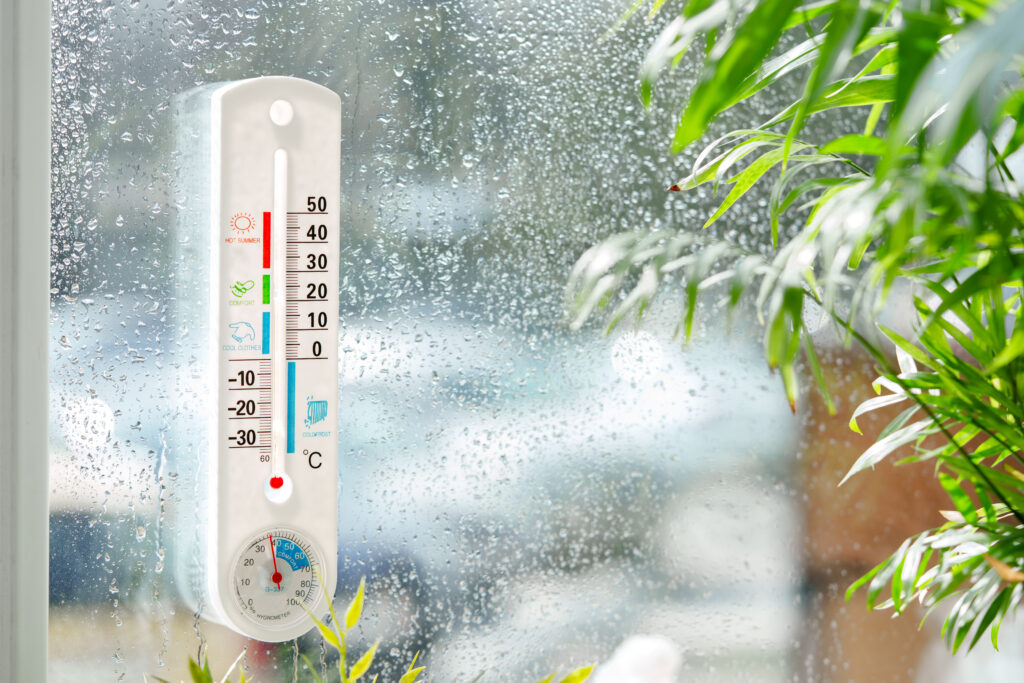
Comfort problems rarely respect the boundaries between different home systems.
HVAC equipment affects temperature and moisture removal. Insulation influences heat transfer and surface temperatures. Air sealing affects how much uncontrolled outdoor air enters the house. Ventilation determines how moisture and indoor air are intentionally managed.
Each part influences the others.
That is why a room that feels uncomfortable may not have a problem located in that room at all. The cause could be several feet away in an attic, inside ductwork, around a building penetration, or somewhere else within the pressure boundary of the house.
Advanced Green Home Solutions approaches these concerns from a whole home perspective. Instead of assuming that uncomfortable conditions automatically mean a homeowner needs new HVAC equipment, the goal is to understand how the building is actually performing and identify improvements that address the underlying cause.
When temperature, moisture, airflow, insulation, and the building envelope work together properly, comfort becomes easier to maintain and the HVAC system does not have to compensate for as many problems.
Improve Indoor Humidity by Finding the Cause First
If your thermostat says the house should be comfortable but it simply does not feel that way, changing the temperature again may not be the best first move.
Indoor humidity can reveal weaknesses in air sealing, insulation, ventilation, HVAC performance, or moisture management that are otherwise difficult to recognize. Identifying those weaknesses gives homeowners the opportunity to make targeted improvements instead of guessing at the solution.
A professional evaluation can help determine where the home is losing energy, where unwanted air is entering, and which improvements are most likely to produce meaningful results.
Contact Advanced Green Home Solutions to learn more about evaluating your home’s energy performance and creating a more comfortable, efficient indoor environment.