
Many homeowners assume the answer to an uncomfortable home is replacing the HVAC system. When utility bills continue climbing, some rooms never seem to reach the right temperature, or the air conditioner runs constantly, it is easy to believe the equipment has reached the end of its life.
The reality is often very different.
Home performance improvements focus on addressing the conditions that force your heating and cooling system to work harder than necessary. Air leaks, poor insulation, duct leakage, moisture issues, and inadequate ventilation all affect how comfortable your home feels. Even a newer HVAC system can struggle if these underlying problems remain unresolved.
At Advanced Green Home Solutions, we believe every home should be evaluated as a complete system rather than a collection of individual components. By improving the home’s overall performance, Maryland homeowners can often increase comfort, lower utility bills, and extend the lifespan of their existing HVAC system without immediately investing in expensive replacement equipment.
Why Your Home Plays a Bigger Role Than Your HVAC System
Your heating and cooling equipment is only one part of what determines indoor comfort. While the HVAC system conditions the air, the home itself determines how well that conditioned air stays inside.
When conditioned air escapes through hidden gaps or outdoor air continuously enters the home, the HVAC system must compensate by running longer and cycling more frequently. This extra workload increases energy consumption while placing unnecessary wear on mechanical components.
Many homeowners are surprised to learn that persistent comfort issues often begin with the home’s building envelope rather than the heating and cooling equipment. Problems such as insufficient insulation, uncontrolled air leakage, poor attic ventilation, and hidden duct leaks can all contribute to uncomfortable indoor temperatures throughout the year.
A professional Home Energy Evaluation helps identify these hidden issues using specialized diagnostic testing instead of guesswork. Rather than recommending equipment replacement first, a comprehensive evaluation reveals where your home is losing energy and which improvements will provide the greatest benefit.
According to the U.S. Department of Energy, improving your home’s envelope through air sealing and insulation is one of the most effective ways to reduce energy consumption while improving comfort.
Air Sealing Reduces Energy Loss Throughout Your Home
One of the most valuable home performance improvements is professional air sealing.
Every home contains small openings around plumbing penetrations, electrical wiring, recessed lighting, attic access doors, framing joints, windows, and other construction details. Individually, these openings may appear insignificant, but together they create enough leakage to allow a surprising amount of conditioned air to escape every day.
During Maryland summers, warm humid air continually enters through these gaps, forcing the air conditioner to remove additional heat and moisture. During winter, heated indoor air escapes through the upper portions of the home while cold outside air replaces it. This constant exchange forces your HVAC equipment to work much harder than necessary.
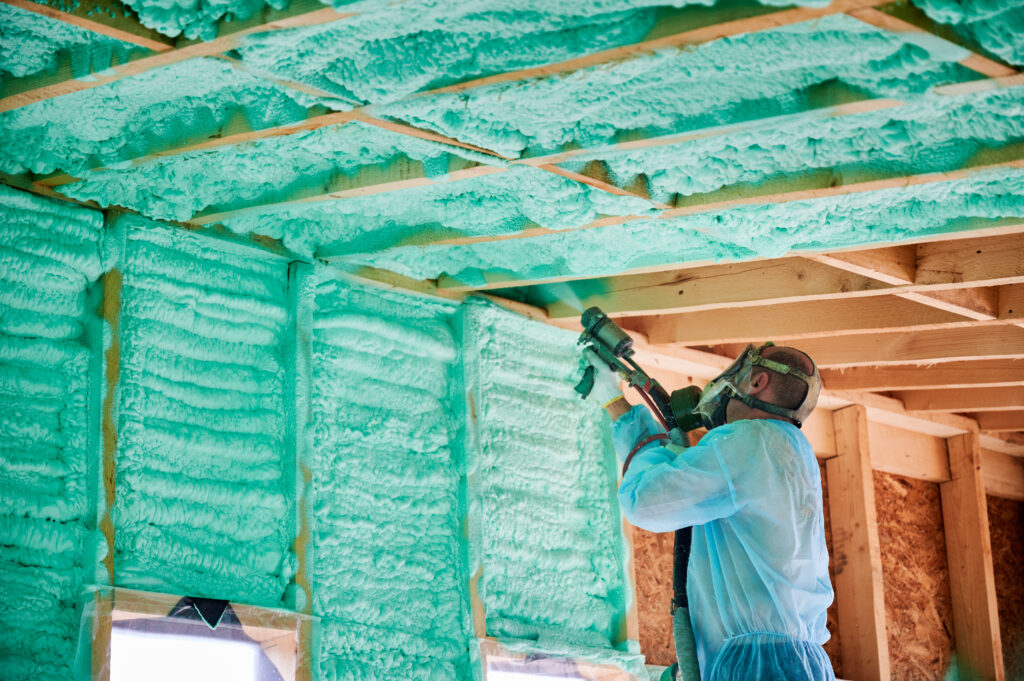
Professional air sealing targets these hidden leakage points to create a tighter, more energy-efficient home.
Many homeowners notice immediate improvements after air sealing is completed. Rooms maintain more consistent temperatures, drafts become less noticeable, indoor humidity becomes easier to control, and heating and cooling equipment cycles less frequently throughout the day.
Perhaps most importantly, air sealing allows the HVAC system to operate the way it was originally designed instead of constantly compensating for uncontrolled air movement.
Proper Insulation Helps Your HVAC System Maintain Comfort
Air sealing and insulation work together to improve the overall efficiency of your home.
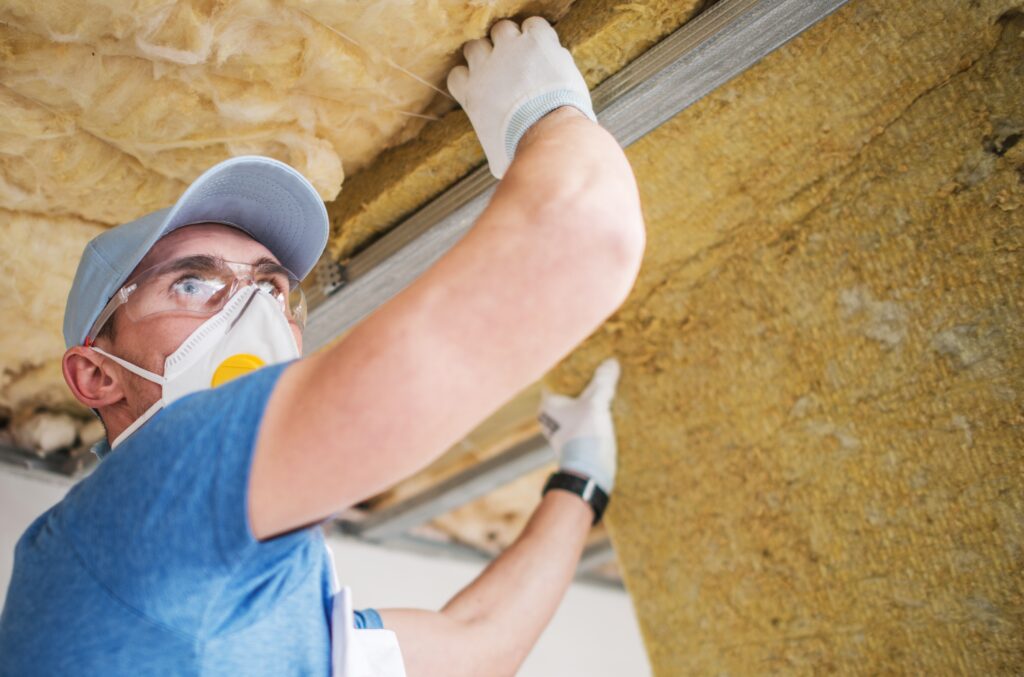
While air sealing controls unwanted airflow, insulation slows the transfer of heat through walls, ceilings, and attic spaces. When insulation is missing, compressed, or no longer performing as intended, heat enters the home much more easily during summer and escapes much more quickly during winter.
Many older Maryland homes were built with insulation standards that no longer meet today’s recommendations. In other cases, insulation may have settled over time or been affected by moisture, reducing its effectiveness without homeowners realizing it.
Adding insulation without addressing air leaks often limits its effectiveness because conditioned air can still escape around gaps in the building envelope. Likewise, air sealing without adequate insulation leaves the home vulnerable to significant heat transfer.
When both improvements are completed together, conditioned air remains inside the living space longer, allowing the HVAC system to maintain comfortable temperatures with less effort. This often results in lower utility bills, fewer hot and cold spots throughout the home, and greater comfort during every season.
Beyond energy savings, properly installed insulation also helps reduce outside noise and creates a more stable indoor environment, making the home feel consistently comfortable regardless of changing outdoor temperatures.
Ductwork Can Be Reducing Your Comfort Without You Knowing
Even if your heating and cooling equipment is operating properly, damaged or leaking ductwork can significantly reduce its effectiveness. Conditioned air that escapes into attics, crawl spaces, or wall cavities never reaches the rooms where it is needed, forcing your HVAC system to work harder to maintain the desired temperature.
Leaky ducts also create pressure imbalances that make some rooms feel comfortable while others remain consistently warmer or cooler. Many homeowners mistakenly assume this is an equipment problem when the real issue lies within the air distribution system.
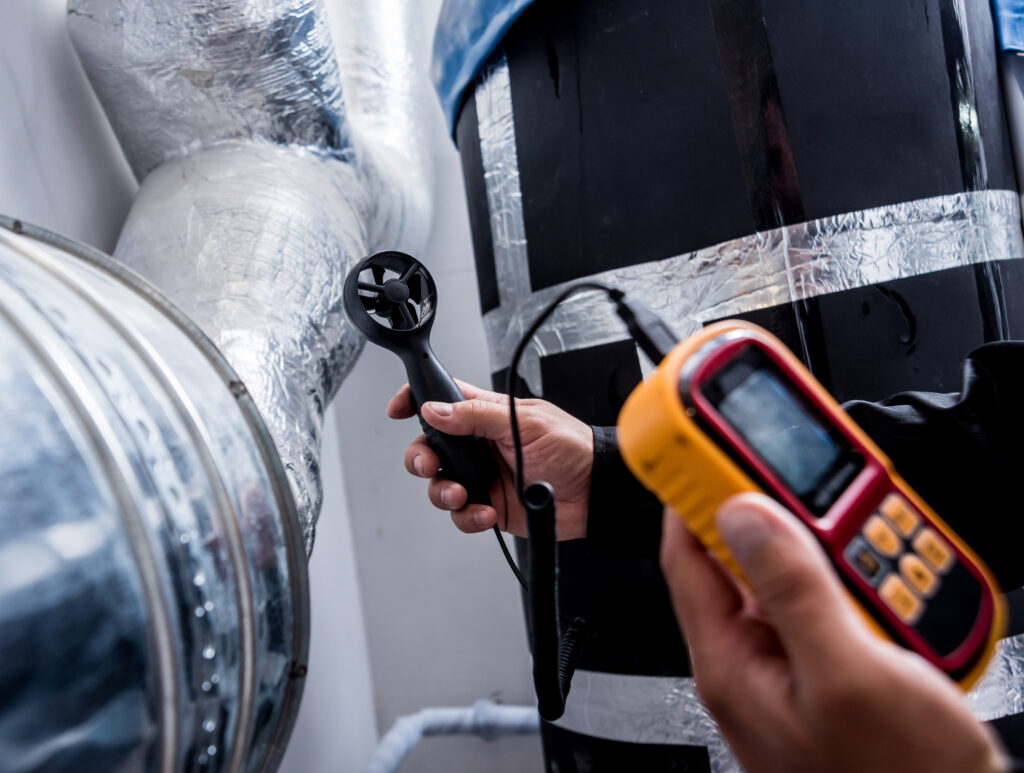
During a comprehensive Home Energy Evaluation, airflow and duct performance are evaluated alongside the rest of the home. Identifying these hidden inefficiencies helps ensure that the conditioned air your HVAC system produces is delivered where it belongs.
When duct issues are corrected as part of an overall home performance strategy, homeowners often notice more even temperatures, quieter HVAC operation, and improved energy efficiency throughout the home.
Proper Ventilation Creates a Healthier and More Comfortable Home
Many people believe a tighter home cannot breathe, but that is a common misconception.
A properly sealed home should have controlled ventilation rather than uncontrolled air leakage. Instead of allowing outside air to enter through random cracks and gaps, modern ventilation systems introduce fresh air in a controlled manner while removing stale indoor air.
This balanced approach improves comfort while helping reduce excess humidity, indoor pollutants, allergens, and odors.
Poor ventilation can also contribute to moisture buildup inside the home, which may affect insulation performance, reduce indoor comfort, and create conditions that encourage mold growth over time.
The ENERGY STAR Home Upgrade program recognizes improved insulation, air sealing, and ventilation as essential components of an energy-efficient home.
Moisture Control Is an Important Part of Home Performance
Moisture affects much more than indoor comfort. Excess humidity can make your home feel warmer than it actually is, causing the air conditioner to run longer while still leaving occupants uncomfortable.
Moisture can also reduce the effectiveness of insulation, contribute to wood deterioration, and create indoor air quality concerns if left unaddressed.
Many moisture issues begin with hidden air leaks, poor attic ventilation, or inadequate insulation rather than plumbing problems. Addressing these conditions as part of a whole home performance strategy helps create a healthier indoor environment while improving overall energy efficiency.
By controlling moisture along with airflow and insulation, homeowners enjoy a more comfortable living space during every season.
Why Replacing Your HVAC System May Not Be the Best First Step
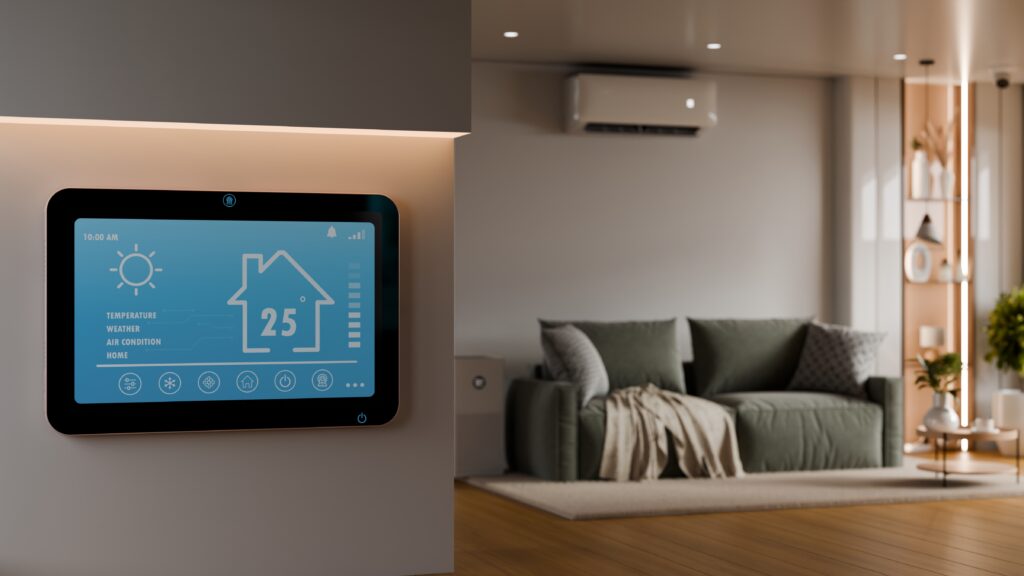
Replacing an HVAC system without addressing the home’s underlying performance issues often produces disappointing results.
If conditioned air continues escaping through leaks or insufficient insulation allows heat to move freely into the home, even a brand new heating and cooling system will struggle to deliver consistent comfort.
In many cases, homeowners spend thousands of dollars on replacement equipment only to experience the same hot and cold spots they had before the installation.
Improving the home’s performance first allows existing equipment to operate more efficiently while extending its service life. If replacement eventually becomes necessary, the new equipment can often be properly sized because the home’s energy losses have already been reduced.
This approach provides greater long-term value while helping homeowners avoid unnecessary expenses.
Start With Your Home Instead of Your HVAC
Comfort is about much more than heating and cooling equipment. It depends on how well every part of the home works together to maintain stable indoor temperatures, manage airflow, control moisture, and reduce unnecessary energy loss.
Professional home performance improvements address these hidden factors, allowing your current HVAC system to perform more efficiently while improving comfort throughout the home.
At Advanced Green Home Solutions, our whole-home approach helps Maryland homeowners uncover the real causes of high utility bills and uneven indoor temperatures. Through a detailed Home Energy Evaluation, we identify practical improvements that increase comfort, improve energy efficiency, and help you get the most from your existing heating and cooling system.
If your home never feels as comfortable as it should, start with the home itself. The solution may not be replacing your HVAC system. It may simply be improving the way your home performs.