
If your energy bill keeps climbing but your habits have not changed, your HVAC system is often the reason. Many Maryland homeowners assume rising costs are simply part of the season, especially during hot summers or cold winters. The truth is more frustrating. In many homes, the HVAC system is working harder than it should, using more energy than necessary, and quietly driving up monthly expenses.
At Advanced Green Home Solutions, we see this pattern every day. A system that appears to be functioning is often far from efficient. It may heat or cool the home, but it does so at a higher cost than it should. Understanding what is happening behind the scenes is the first step toward lowering your bills and improving how your home performs.
Why HVAC Efficiency Matters More Than You Think
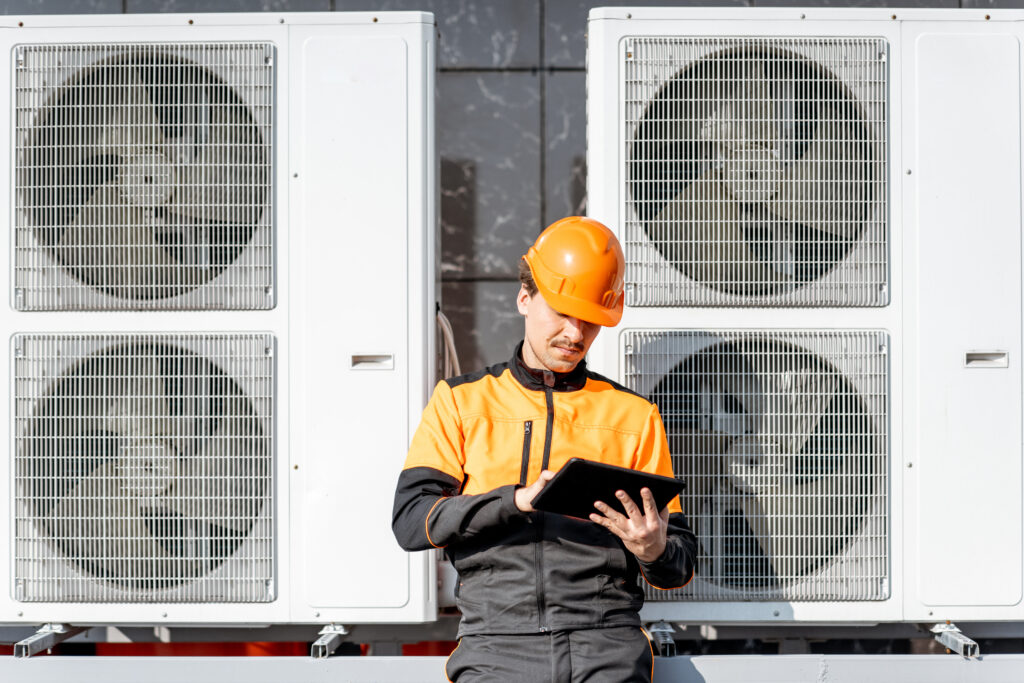
Your HVAC system is responsible for a large portion of your home’s energy use. When it operates efficiently, it maintains comfort while keeping energy costs under control. When it struggles, even slightly, the financial impact adds up quickly.
Many performance issues are not obvious. A system can still turn on, respond to the thermostat, and circulate air while wasting energy at the same time. That wasted energy shows up as higher utility bills, uneven temperatures, and increased wear on equipment.
According to the U.S. Department of Energy, heating and cooling account for a significant share of residential energy consumption. This is why even small HVAC inefficiencies can create noticeable increases in your monthly costs.
Airflow Problems That Increase Energy Costs
One of the most common HVAC performance issues involves airflow. When air cannot move freely through your system, everything becomes less efficient. Restricted airflow forces your system to run longer cycles to reach the desired temperature.
This often happens when ducts are poorly designed, partially blocked, or leaking. In many Maryland homes, ductwork runs through attics or crawl spaces where air can escape before it reaches living areas. That means you are paying to heat or cool air that never makes it into your home.
Inconsistent airflow also explains why some rooms feel comfortable while others do not. The system is not delivering air evenly, which leads to longer run times and higher energy use.
Aging Equipment and Declining Performance
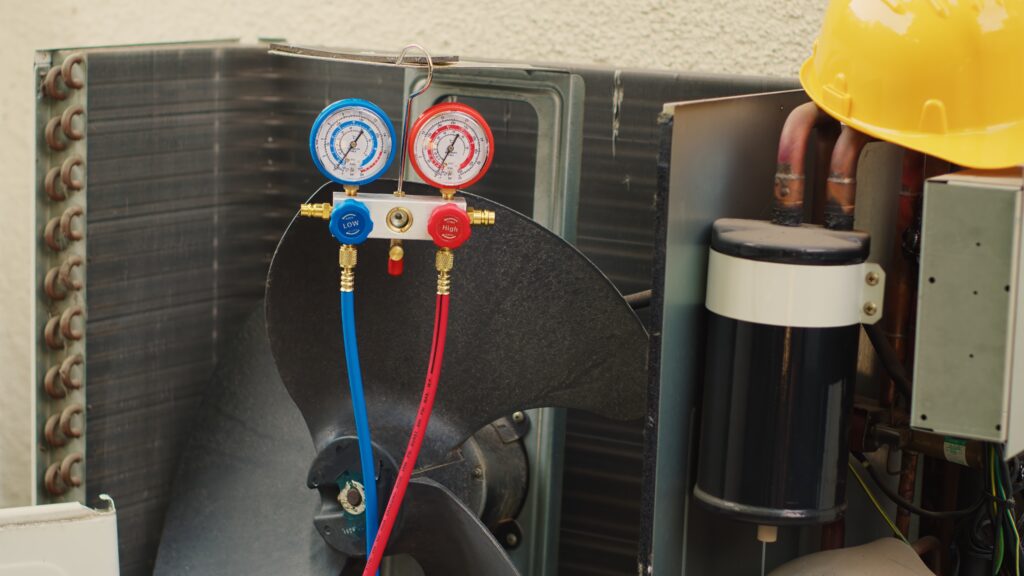
HVAC systems do not maintain peak performance forever. As equipment ages, efficiency declines even if the system still appears to function normally. Components wear down, motors lose strength, and internal buildup reduces airflow and heat transfer.
If your system is more than ten to fifteen years old, it is likely using more energy than necessary. Even well maintained systems lose efficiency over time. This does not always mean immediate replacement is required, but it does mean performance should be evaluated carefully.
At Advanced Green Home Solutions, we often find that aging systems combined with insulation or airflow issues create a double impact. The system works harder, and the home loses energy at the same time.
Duct Leakage and Hidden Energy Loss
Duct leakage is one of the most overlooked causes of high energy bills. In many homes, ducts have small gaps or disconnected sections that allow conditioned air to escape. This air often ends up in unconditioned spaces like attics or basements.
When this happens, your HVAC system compensates by running longer cycles. You end up paying more for less comfort. Sealing ducts can significantly improve system efficiency and reduce energy waste.
Visit our Energy Audits page to better understand how system performance and home structure work together. A proper audit can reveal whether duct leakage is affecting your home.
Insulation and HVAC Performance Go Hand in Hand
Many homeowners focus only on the HVAC unit itself, but the surrounding environment plays a major role. Insulation acts as a barrier that keeps conditioned air inside your home. When insulation is insufficient or improperly installed, heat escapes in winter and enters in summer.
This forces your HVAC system to compensate. It runs longer, uses more energy, and struggles to maintain consistent temperatures. The result is higher bills and reduced comfort.
Improving insulation allows your HVAC system to operate more efficiently. It reduces the workload and stabilizes indoor temperatures. This is why a whole home approach is essential.
Thermostat and Control Issues
Even a well functioning HVAC system can waste energy if it is not controlled properly. Outdated thermostats, poor placement, or incorrect settings can cause systems to run longer than necessary.
Smart thermostats help regulate temperature more efficiently by adjusting settings based on occupancy and usage patterns. They reduce unnecessary runtime and improve overall system performance.
However, a thermostat alone cannot fix deeper issues. It works best when combined with proper airflow, insulation, and system balance.
Why HVAC Problems Often Go Undiagnosed
Most HVAC issues develop gradually. Homeowners adjust to small changes without realizing what is happening. A slight increase in runtime or a minor temperature difference between rooms may not seem significant at first.
Over time, these small inefficiencies compound. Energy use increases, bills rise, and comfort declines. Without proper testing, it is difficult to identify the exact cause.
That is why a professional audit is so important. It provides measurable data instead of guesswork. It identifies the root cause of inefficiency rather than treating symptoms.
To explore more solutions and system improvements, visit our HVAC page.
The Role of Ventilation in HVAC Performance
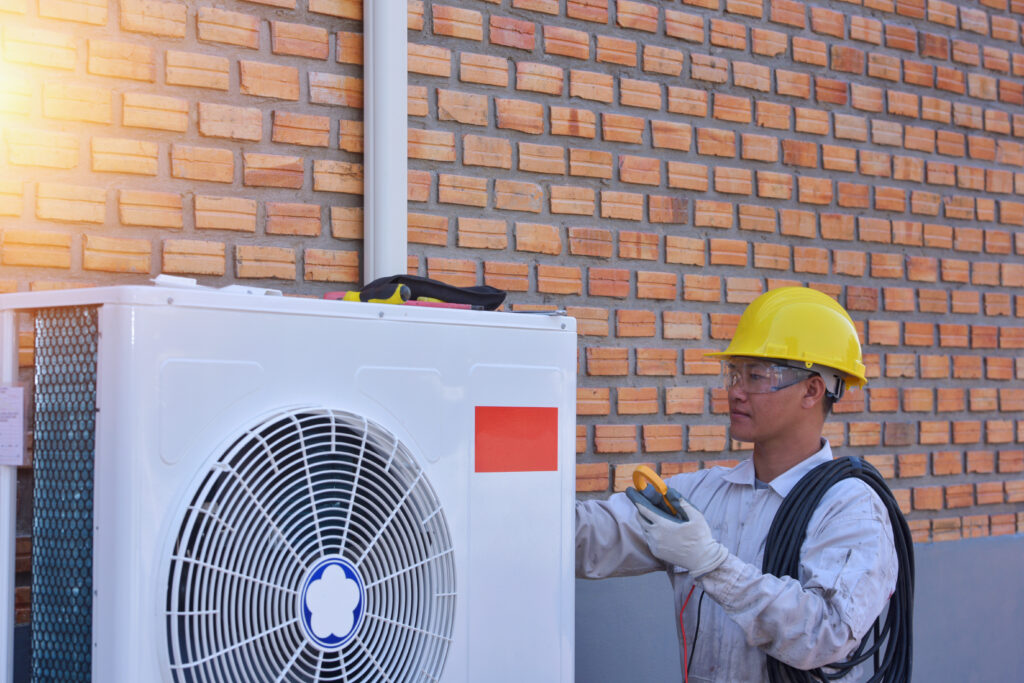
Ventilation is another factor that affects HVAC efficiency. Without proper air exchange, indoor air can become stale and humidity levels can rise. This forces your system to work harder to maintain comfort.
Balanced ventilation improves airflow and reduces strain on your HVAC system. It helps maintain consistent indoor conditions while supporting energy efficiency.
Read our article on how ventilation impacts performance.
Turning HVAC Problems Into Long-Term Savings
The good news is that most HVAC performance issues can be corrected. When airflow is improved, ducts are sealed, insulation is upgraded, and systems are properly evaluated, energy use drops significantly.
Homeowners often see noticeable changes in their utility bills once these improvements are made. The system runs more efficiently, maintains temperature more consistently, and requires less energy to do its job.
The key is identifying the right solution for your home. Every house is different, and a one size approach rarely delivers lasting results.
Take Control of Your Energy Costs
If your energy bills are rising and your home does not feel as comfortable as it should, your HVAC system may not be performing at its best. The next step is not guessing or replacing equipment without a plan. It is understanding how your system and your home work together.Schedule a professional audit and take the first step toward lower energy costs and better performance.