
Homeowners often assume that adding more insulation is the quickest way to lower energy bills. While insulation is one of the most valuable upgrades you can make, it only performs as intended when paired with proper air sealing. Without sealing the gaps where air escapes, even the highest quality insulation cannot stop conditioned air from leaving your home.
This is one of the most common discoveries we make during home energy evaluations across Maryland. Families invest in heating and cooling, replace equipment, or add insulation, yet utility bills remain high because uncontrolled air movement continues throughout the home.
At Advanced Green Home Solutions, we believe lasting home performance starts with understanding how your home functions as a complete system. Air sealing and insulation work together to improve energy efficiency, lower utility costs, reduce HVAC strain, and create a healthier indoor environment. When one is completed without the other, homeowners rarely achieve the full benefit of their investment.
What Is Air Sealing
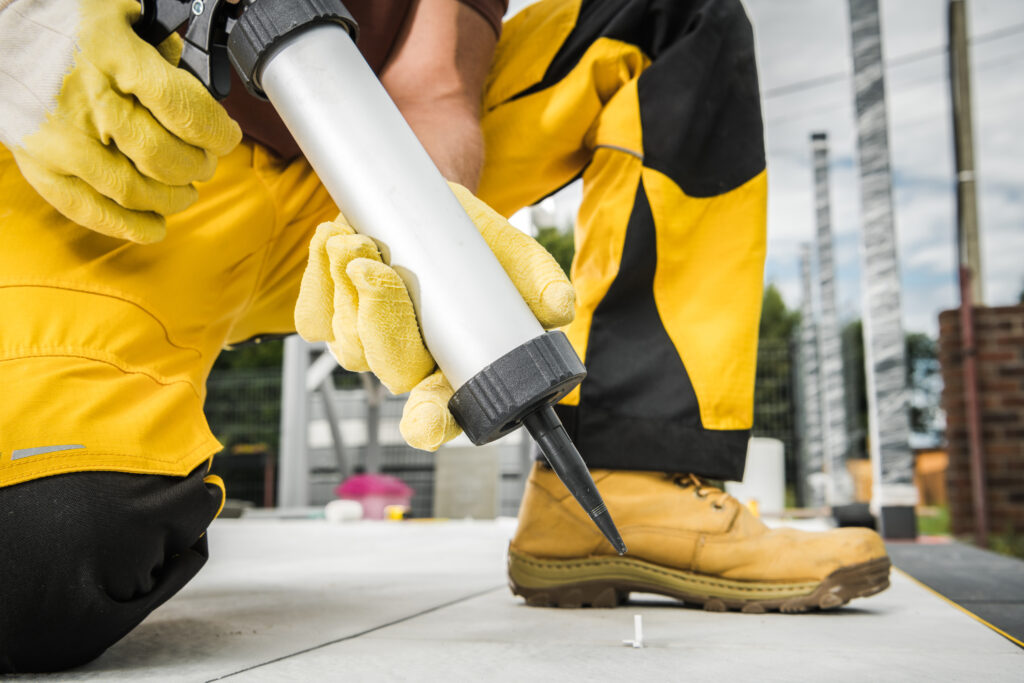
Air sealing is the process of locating and closing the small openings where conditioned indoor air escapes and outside air enters your home. These openings are often hidden around plumbing penetrations, electrical wiring, attic access doors, recessed lighting, ductwork, window framing, rim joists, and wall penetrations.
Although each opening may seem insignificant, together they can create enough leakage to waste a considerable amount of energy throughout the year.
According to the United States Department of Energy, properly sealing air leaks before adding insulation is one of the most effective ways to improve home energy efficiency and reduce heating and cooling costs.
Why Insulation Alone Cannot Solve Energy Loss
Insulation slows the transfer of heat, but it does not stop moving air.
Imagine wearing a thick winter jacket that has several openings around the zipper and sleeves. The insulation is present, but cold air continues entering because the openings remain exposed. Homes behave much the same way.
When warm air escapes through leaks during the winter or hot humid air enters during the summer, your HVAC system works continuously to replace the lost conditioned air. The insulation may still be doing its job, but uncontrolled airflow prevents it from performing at its highest level.
This is why adding insulation without first addressing air leakage often produces disappointing results.
The Relationship Between Air Sealing and HVAC Performance
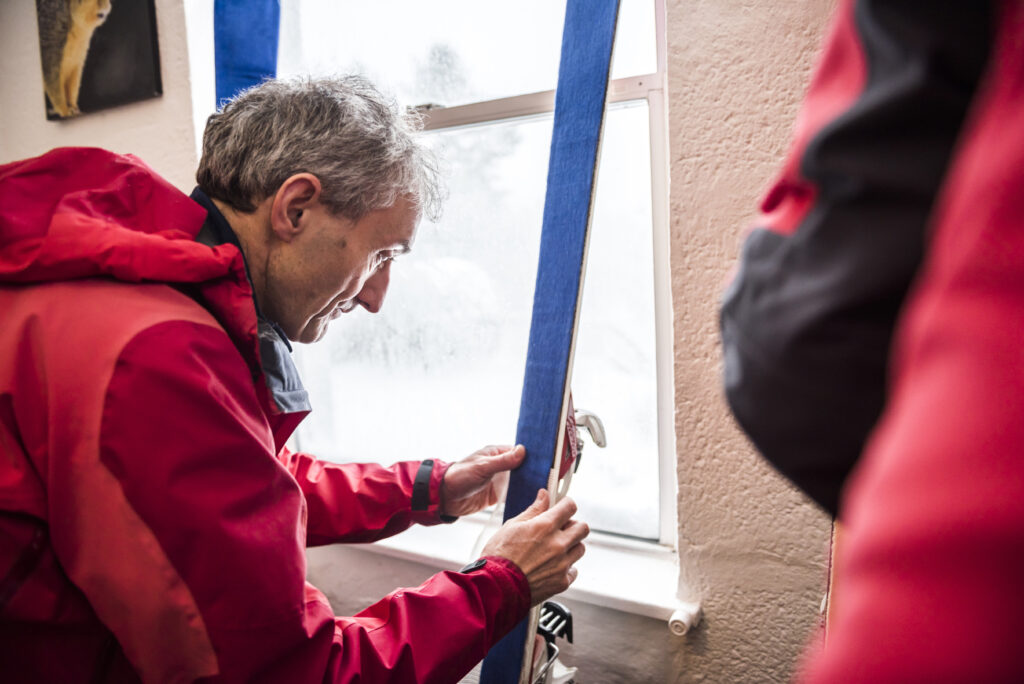
Many homeowners assume their HVAC equipment is responsible for rising utility bills. While equipment can certainly lose efficiency over time, the problem often begins elsewhere.
An HVAC system is designed to heat and cool a home that retains conditioned air. When air escapes through dozens of hidden openings, the equipment compensates by running longer cycles.
Longer run times increase electricity use, place additional wear on motors and compressors, shorten equipment lifespan, and raise monthly utility costs.
By improving air sealing first, your HVAC system no longer has to replace conditioned air that continually escapes outdoors. The result is improved efficiency without forcing the equipment to work harder than necessary.
To learn more about improving overall HVAC performance, click here
How Maryland Weather Makes Air Sealing Even More Important
Maryland experiences cold winters, humid summers, and frequent seasonal changes. These conditions create constant pressure differences between the inside and outside of your home.
During winter, heated indoor air naturally rises and escapes through attic leaks. This process pulls cold outside air into the lower portions of the home.
During summer, humid outdoor air enters through the same openings, increasing cooling demand while raising indoor humidity levels.
Without proper air sealing, your home continually exchanges conditioned air for outdoor air, creating higher energy bills regardless of how efficient your HVAC equipment may be.
What We Find During Home Energy Audits
One of the biggest surprises homeowners experience during a Home Performance with ENERGY STAR evaluation is discovering just how many hidden air leaks exist.
Using blower door testing and infrared imaging, our team can identify areas where conditioned air escapes without homeowners ever noticing.
Common locations include attic penetrations, duct connections, recessed lighting, plumbing openings, basement rim joists, fireplace surrounds, and access panels.
Many of these leaks remain hidden for years because they cannot be seen during a normal home inspection.
Our comprehensive evaluations identify these problem areas before recommending insulation improvements.
To learn more about our evaluation process, visit our energy audits page.
Air Sealing Helps Your Insulation Perform Better
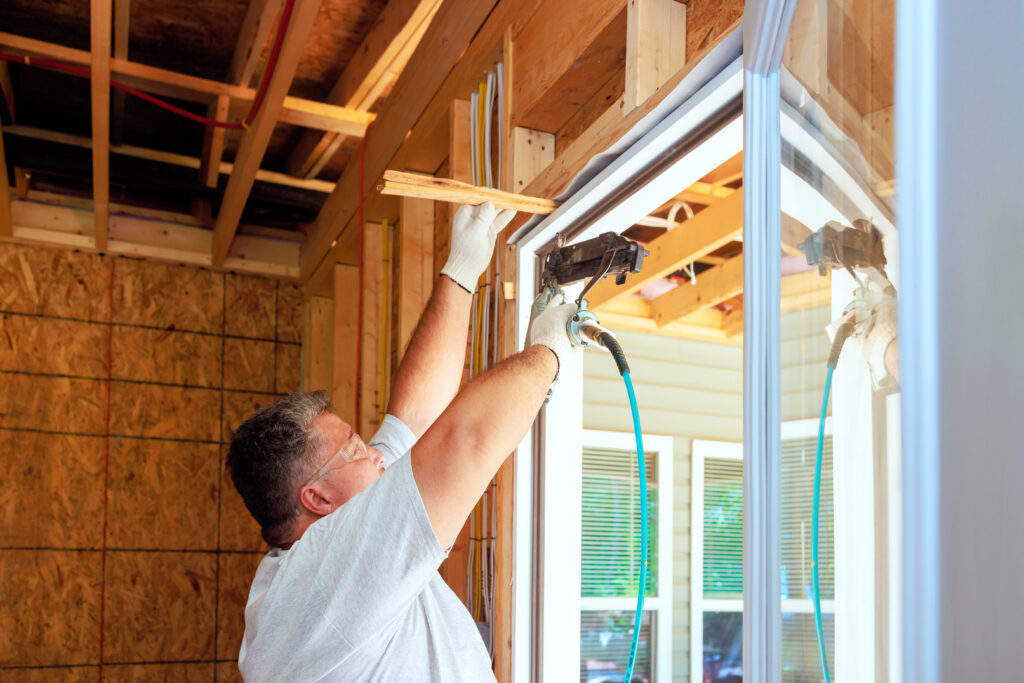
When air leakage is controlled, insulation can finally perform as designed.
Instead of conditioned air constantly escaping through hidden openings, the insulation maintains a more stable indoor temperature. Heating and cooling systems cycle less frequently, energy consumption decreases, and indoor temperatures remain more consistent throughout the home.
Many homeowners notice reduced utility bills shortly after these improvements because the HVAC system no longer has to compensate for continuous energy loss.
Air sealing also reduces unwanted moisture movement, helping insulation remain dry and effective throughout its lifespan.
Air Sealing Improves More Than Energy Efficiency
Many homeowners first invest in air sealing because they want to reduce their monthly utility bills. What often surprises them is how many additional benefits they experience once the work is complete.
As uncontrolled air leakage is reduced, indoor humidity becomes easier to manage. Dust and outdoor pollutants are less likely to enter the home through hidden gaps. Temperature differences between rooms become less noticeable, allowing the HVAC system to maintain a more balanced environment.
These improvements contribute to healthier indoor air and better overall comfort without requiring the heating and cooling equipment to work harder.
Air sealing also helps support proper ventilation. Instead of allowing outdoor air to enter randomly through leaks, fresh air can be introduced in a controlled manner through properly designed ventilation systems.
To learn more about maintaining healthy indoor airflow, visit:
Why Air Sealing Produces Long-Term Financial Benefits
Every homeowner wants improvements that continue delivering value long after installation.
Air sealing is one of those investments.
When conditioned air remains inside the home, heating and cooling equipment operates more efficiently. This reduces monthly utility costs while also decreasing wear on HVAC components. Equipment that operates fewer hours throughout the year often requires fewer repairs and may last longer before replacement becomes necessary.
These savings continue month after month because the improvement addresses the source of the problem rather than simply treating the symptoms.
Many Maryland homeowners also qualify for utility rebates through BGE, Pepco, and Delmarva Power when completing eligible energy efficiency improvements. Combined with lower monthly energy costs, these incentives help make air sealing one of the most cost-effective home upgrades available.
Common Misconceptions About Air Sealing
One of the biggest misconceptions is that newer homes do not need air sealing.
While newer construction generally meets higher efficiency standards, every home contains openings created during construction for plumbing, electrical systems, framing connections, and ventilation components. Over time, normal settling can also create additional gaps.
Another common misconception is that replacing windows alone will solve high utility bills.
Although windows certainly contribute to overall efficiency, many homes lose more conditioned air through attics, duct penetrations, recessed lighting, and wall penetrations than through the windows themselves.
A professional energy audit helps identify exactly where air leakage occurs so homeowners can prioritize improvements that provide the greatest return.
Why a Whole House Approach Delivers Better Results
At Advanced Green Home Solutions, we never look at one component in isolation.
- Air sealing affects insulation.
- Insulation affects HVAC performance.
- HVAC performance affects indoor comfort.
- Ventilation affects indoor air quality.
Every system inside the home works together.
Improving only one area while ignoring the others often limits the overall results. That is why our team evaluates the entire building envelope before recommending improvements.
Rather than selling individual products, we focus on solving the underlying causes of energy loss. This approach provides homeowners with measurable improvements that continue delivering savings for years.
Why Maryland Homeowners Trust Advanced Green Home Solutions
For more than eleven years, Advanced Green Home Solutions has helped homeowners throughout Maryland improve energy efficiency using proven building science practices.
Our in house team includes BPI certified building analysts, BPI envelope professionals, HVAC master technicians, retrofit specialists, and experienced carpenters who work together throughout every project.
As an award winning BPI GoldStar Contractor, certified contractor for BGE, Pepco, and Delmarva Power programs, and certified woman owned MBE subcontractor, we are committed to delivering quality workmanship backed by measurable results.
Whether you begin with a free Quick Home Energy Check Up or a comprehensive Home Performance with ENERGY STAR audit, our goal remains the same. We help homeowners reduce utility costs, improve home performance, and create healthier indoor living environments through practical solutions based on real testing.
Start With the Right Evaluation
Many homeowners spend years paying higher utility bills without realizing the problem begins with hidden air leaks.
Air sealing and insulation are most effective when completed together because each supports the other. Air sealing prevents conditioned air from escaping, while insulation slows heat transfer. Together they create a home that is more efficient, easier to heat and cool, and less expensive to operate.
The first step is understanding exactly where your home is losing energy.
Schedule a Quick Home Energy Check Up or a Home Performance with ENERGY STAR audit with Advanced Green Home Solutions today.
A professional evaluation can identify hidden air leakage, insulation deficiencies, HVAC performance issues, and opportunities for utility rebates, giving you the information needed to make confident decisions about improving your home.