
Water heater efficiency can make a noticeable difference in a Maryland household’s monthly utility expenses, yet water heating is often overlooked when homeowners look for ways to save money. Most people focus on their heating and cooling systems, attic insulation, or windows without realizing that an aging water heater may be consuming more electricity than necessary every single day.
Unlike your air conditioner or furnace, which responds to seasonal temperature changes, your water heater works throughout the year. From morning showers and laundry to washing dishes and everyday cleaning, your household depends on a reliable supply of hot water.
The problem is that traditional water heating equipment can use a significant amount of energy to provide that convenience.
Fortunately, newer technology offers Maryland homeowners an opportunity to reduce operating costs without sacrificing the hot water their families need.
At Advanced Green Home Solutions, energy efficiency is about understanding how different systems contribute to your household’s overall energy consumption. With the addition of heat pump water heater services, homeowners can explore another practical way to improve efficiency, reduce utility expenses, and take advantage of eligible Maryland energy improvement programs.
Why Water Heater Efficiency Matters for Maryland Homes
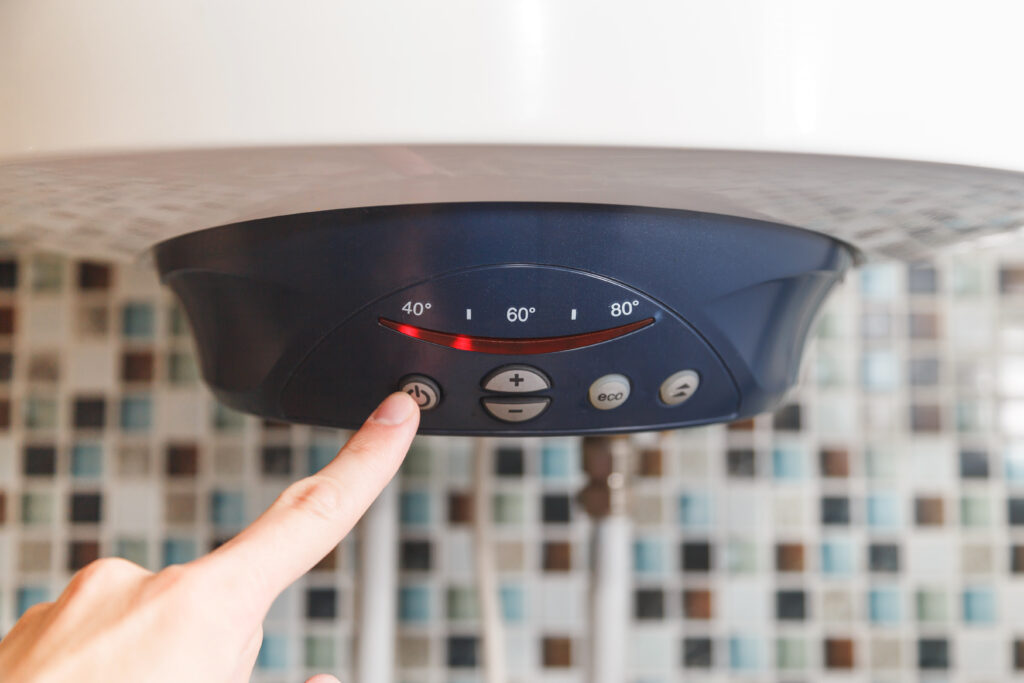
When an electricity bill increases, the first instinct is often to blame the HVAC system. While heating and cooling can account for a substantial portion of household energy consumption, water heating also deserves attention.
According to the United States Department of Energy, water heating accounts for approximately 17 percent of energy use in the average home.
That means a water heater can represent a meaningful portion of household energy expenses, particularly in homes with several occupants or significant daily hot water demand.
Older equipment may also become less efficient as components deteriorate, sediment accumulates, or maintenance is neglected. Even when a water heater continues producing hot water, it may no longer be operating as effectively as it once did.
The age of the equipment is important, but it is not the only factor. The type of water heater, its capacity, installation conditions, insulation, and daily usage patterns all influence operating costs.
For Maryland homeowners concerned about rising utility expenses, evaluating water heater efficiency can be a worthwhile part of a broader energy improvement strategy.
How Traditional Water Heaters Consume Energy
Conventional storage water heaters keep a supply of heated water ready for use throughout the day.
When hot water is removed from the tank, cold water enters and must be heated to the desired temperature. Even when nobody is using hot water, the system may periodically operate to compensate for heat escaping from the stored water.
This is known as standby heat loss.
Electric resistance water heaters generate heat through electrical heating elements. While this technology is familiar and widely used, producing heat directly requires considerably more electricity than transferring existing heat from the surrounding air.
Gas and propane water heaters use combustion to heat water. Their operating costs depend on fuel prices, equipment efficiency, installation conditions, and household demand.
The important point is that not all water heaters produce hot water with the same energy requirements.
When evaluating a replacement, homeowners should consider both the purchase price and the amount of energy the equipment will consume over its operating life.
A lower initial price does not necessarily mean the lowest long term cost.
Heat Pump Water Heaters Offer a More Efficient Approach
One of the most significant advancements in residential water heating is the heat pump water heater.
Instead of relying primarily on electric resistance heating, a heat pump water heater transfers heat from the surrounding air into the water stored inside its tank.
The process is similar to how a refrigerator operates, except the direction of heat movement is reversed.
A refrigerator removes heat from its interior and releases it into the surrounding room. A heat pump water heater extracts heat from the surrounding air and transfers that energy into the water.
Because moving heat generally requires less electricity than generating it directly, this technology can substantially reduce energy consumption.
The ENERGY STAR explanation of heat pump water heater technology describes how these systems use electricity to transfer heat and how hybrid models can use supplemental electric resistance elements when additional hot water is needed.
This combination allows homeowners to benefit from efficient everyday operation while maintaining the flexibility to meet periods of increased household demand.
For families interested in lowering electricity consumption, a properly selected heat pump water heater can represent a significant improvement over a conventional electric resistance model.
How Much Money Can an Efficient Water Heater Save?
The financial benefits of improved water heater efficiency depend on several factors, including the existing equipment, household size, electricity rates, hot water usage, and installation conditions.
However, the potential savings can be substantial.
According to ENERGY STAR’s heat pump water heater savings information, a household of four may save approximately $550 annually in electricity costs by switching from a standard electric resistance water heater to an ENERGY STAR certified heat pump water heater.
Over the equipment’s operating life, those savings can add up to thousands of dollars.
These figures are estimates rather than guaranteed results. A household with lower hot water consumption may save less, while one with greater demand or higher electricity rates could experience different savings.
The comparison also matters. Replacing a conventional electric water heater is not financially identical to replacing an efficient natural gas system.
For this reason, homeowners should evaluate their current energy source and utility costs before choosing new equipment.
The team at Advanced Green Home Solutions helps Maryland homeowners explore heat pump water heater upgrades as part of a broader approach to reducing energy consumption.
Why Replacing an Aging Water Heater Before It Fails Makes Sense
Many homeowners wait until their water heater stops producing hot water before considering replacement.
Unfortunately, equipment failures rarely happen at convenient times.
A leaking tank can create water damage, while a sudden loss of hot water can leave homeowners making rushed purchasing decisions without sufficient time to compare equipment or investigate available incentives.
If a storage water heater is more than ten years old, it may be worth evaluating its condition and expected remaining service life.
Age alone does not mean replacement is immediately necessary. Some systems operate reliably beyond that point, while others develop problems earlier.
Warning signs can include recurring leaks, corrosion, inconsistent hot water temperatures, unusual operating noises, declining hot water capacity, or increasingly frequent repairs.
A professional assessment can help determine whether maintenance is appropriate or whether replacement offers better long term value.
Planning an upgrade before an emergency also provides time to evaluate electrical requirements, installation space, household hot water needs, and available Maryland rebate programs.
Choosing the Right Heat Pump Water Heater for Your Household
A highly efficient water heater still needs to be properly matched to the household.
A family of five may have very different hot water requirements from a couple living in the same size home.
Daily shower schedules, laundry habits, dishwashing, and simultaneous hot water use all influence the amount of capacity required.
Heat pump water heaters are commonly available with different tank sizes and performance ratings. Choosing the correct model involves evaluating how much hot water the household uses during its busiest periods.
The first hour rating is especially useful because it indicates how much hot water a system can deliver during a period of heavy demand.
Installation location is another important consideration.
Heat pump water heaters need suitable surrounding air conditions and adequate space for airflow. Because they extract heat from the air, they can also cool and dehumidify the area around the equipment during operation.
That may be beneficial in certain locations, but it requires careful consideration in conditioned spaces or colder areas.
The ENERGY STAR heat pump water heater installation guidance explains why equipment clearance, available air volume, location, and manufacturer requirements should be evaluated before installation.
A properly planned installation helps the equipment deliver the efficiency and reliability homeowners expect.
Water Heater Efficiency and Whole Home Energy Performance
Water heating is only one part of a home’s energy consumption.
Heating, cooling, insulation, air leakage, ventilation, appliances, and household habits all contribute to monthly utility costs.
That is why Advanced Green Home Solutions approaches efficiency from a whole home perspective rather than focusing exclusively on individual pieces of equipment.
For example, a homeowner might upgrade an inefficient water heater while still losing substantial heating and cooling energy through poorly insulated attic spaces.
Another home might have efficient HVAC equipment but suffer from uncontrolled air leakage that increases energy demand.
These issues do not eliminate the benefits of efficient water heating, but they demonstrate why improvements should be evaluated together.
Through professional home energy audits, Advanced Green Home Solutions helps homeowners identify energy performance concerns and understand which improvements may provide meaningful benefits.
The company’s weatherization and home performance services address related concerns involving insulation, air sealing, moisture management, and overall household efficiency.
When these systems are considered together, homeowners can make more informed decisions about where to invest their money.
Maryland Water Heater Rebates Can Make Upgrades More Affordable
The initial cost of a heat pump water heater may be higher than that of a conventional electric resistance model.
However, energy savings and available utility incentives can help improve the financial picture.
Maryland’s Home Performance with ENERGY STAR program provides a pathway for qualifying homeowners to evaluate energy efficiency improvements and explore available rebates.
Advanced Green Home Solutions is an approved contractor serving eligible BGE, Pepco, and Delmarva Power customers and offers comprehensive Home Performance with ENERGY STAR audits for $100 to qualifying residents.
Its Maryland energy audit program can help homeowners understand energy performance opportunities and potential incentives for eligible improvements.
The company’s water heater service page also discusses electrification rebates that may apply when qualifying fossil fuel equipment is replaced with efficient electric technology.
Eligibility and rebate amounts depend on the utility program, project specifications, energy savings calculations, and current funding rules.
Because incentive programs can change, homeowners should confirm the available rebate and applicable deadlines before committing to a project.
The best approach is to understand the total installed cost, the verified incentive amount, and the expected operating savings before making a final decision.
Small Changes Can Also Improve Water Heating Efficiency
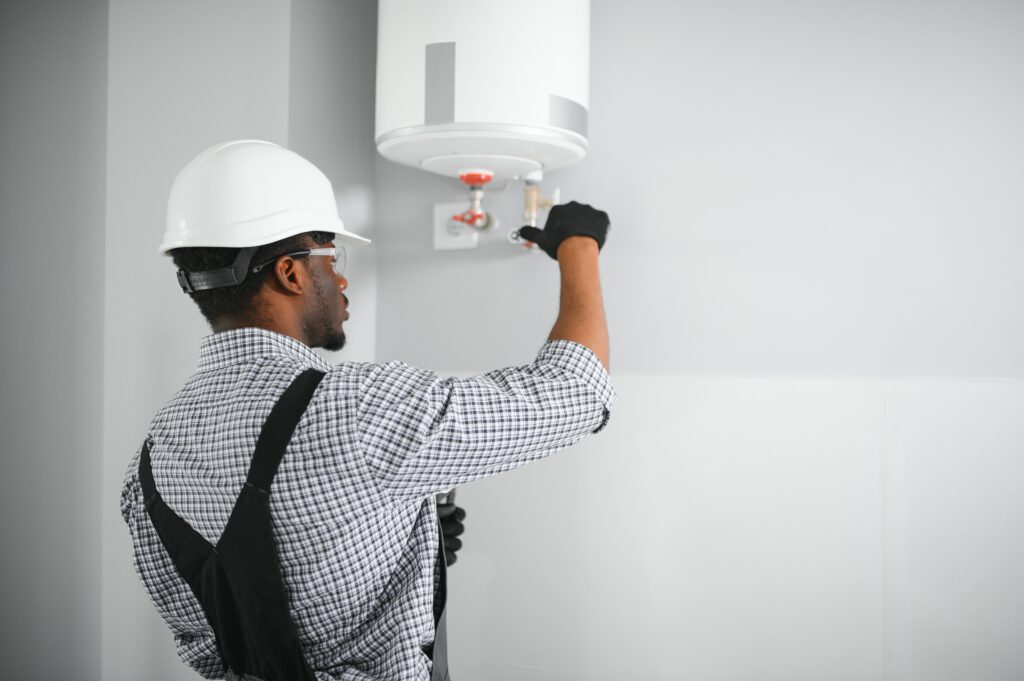
Not every improvement requires replacing the water heater.
For homeowners whose existing equipment is operating properly, several practical measures may help reduce unnecessary energy use.
Water temperature settings deserve attention. Excessively high settings can increase standby heat loss and raise the risk of scalding. Many households use a setting around 120 degrees Fahrenheit, although individual health, equipment, and safety requirements may call for different settings.
Insulating accessible hot water pipes can reduce heat loss as water travels through the home. Efficient showerheads and faucet aerators can also reduce hot water consumption without necessarily affecting everyday convenience.
Routine maintenance is equally important.
Depending on the equipment, maintenance may include checking for leaks, inspecting components, reviewing manufacturer recommendations, and addressing sediment buildup or other operating concerns.
Homeowners should avoid performing electrical or plumbing work beyond their experience and use qualified professionals when necessary.
Advanced Green Home Solutions also offers a no cost Quick Home Energy Checkup for eligible Maryland utility customers. This program includes a home walkthrough and may provide qualifying energy saving measures such as efficient showerheads, faucet aerators, and water heater pipe insulation.
These smaller improvements can complement larger equipment upgrades while helping homeowners better understand their household energy use.
Why Maryland Homeowners Should Consider Advanced Green Home Solutions
Choosing an efficient water heater involves more than selecting a model with an attractive efficiency rating.
The equipment needs to fit the household, the installation location must be appropriate, and the financial benefits should be evaluated realistically.
Advanced Green Home Solutions brings a broader understanding of building performance to the process.
With offices in Annapolis and Hanover, Maryland, the company serves homeowners seeking to reduce energy expenses through professional evaluations and targeted improvements.
Its team includes building performance professionals and experienced technicians who understand how different household systems contribute to energy use.
As an elite BPI GoldStar Contractor and an approved contractor for participating Maryland utility programs, Advanced Green Home Solutions helps homeowners navigate energy evaluations and eligible improvement opportunities.
The company’s heat pump water heater services are a natural extension of that approach.
Instead of looking at water heating as an isolated purchase, homeowners can explore how more efficient equipment fits into their larger energy savings goals.
Improve Water Heater Efficiency Before Your Next Utility Bill
A reliable supply of hot water is something every household needs, but producing it should not require more energy than necessary.
For Maryland homeowners with aging electric water heaters, newer heat pump technology offers an opportunity to lower electricity consumption while maintaining everyday convenience.
The right decision begins with understanding the existing system, household hot water demand, installation requirements, and available financial incentives.
Improving water heater efficiency can also be part of a broader plan to reduce energy waste throughout the home.
Advanced Green Home Solutions helps homeowners make those decisions with greater confidence through professional energy evaluations, efficient equipment options, and guidance on eligible Maryland programs.
If your water heater is aging or your utility bills are becoming difficult to manage, consider evaluating your options before the equipment fails.
Schedule an appointment with Advanced Green Home Solutions to learn more about efficient water heating and how the right improvements can help your Maryland home use less energy.